
The heat is on—literally. As the undeniable effects of global warming accelerate, the stakes for businesses have never been higher. The way we manage resources and conserve energy is no longer a footnote; it is the central plot point in achieving critical SUSTAINABILITY goals and reaching net-ZERO emissions. For industries around the globe, adapting is no longer optional—it’s an economic imperative.
Why ESG is Now Business-Critical
Regulatory bodies worldwide are raising the bar, making ESG (Environmental, Social, and Governance) reporting a mandatory cornerstone of corporate responsibility. This framework provides a clear lens through which investors and consumers can evaluate a company’s true long-term value and commitment.
Compliance with the ESG framework is the new currency. To attract SUSTAINABILITY conscious investors and discerning customers—both domestically and internationally—industries must demonstrate transparent and proactive adherence to these standards.
In India, for example, the BRSR (Business Responsibility and Sustainability Reporting) regulations are already a reality for the top 1000 companies by market capitalization. This isn’t a static requirement; it’s a trend that will surely percolate to smaller companies over time. Every industry, regardless of size or segment, must prepare now to meet these regulatory requirements to secure capital and market share.
ESG Touches Every Corner of Your Business
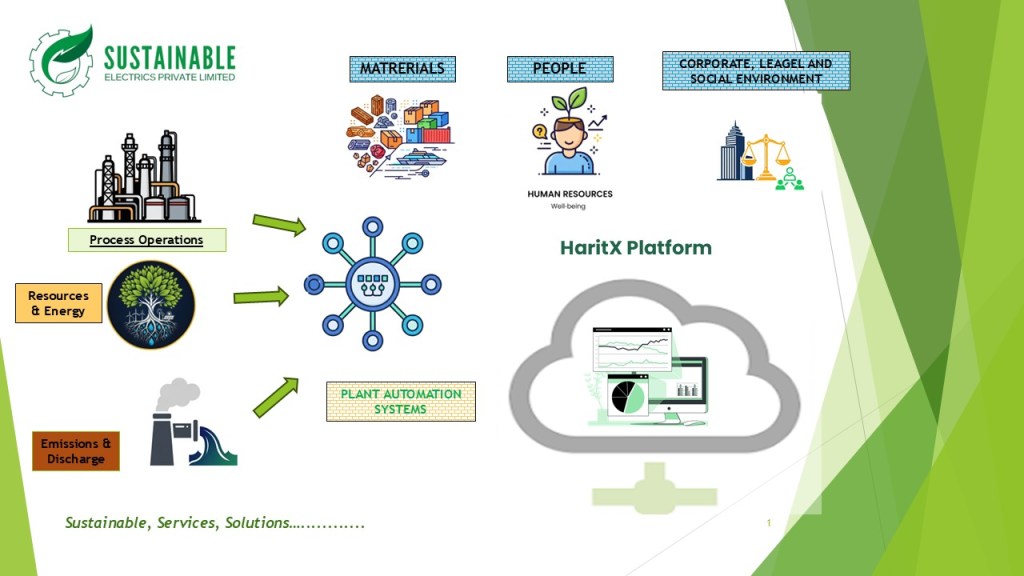
The scope of ESG compliance is comprehensive, ensuring that sustainability is integrated, not siloed. It demands a holistic review and actionable change across virtually every function:
- Corporate, Legal, and Governance: Ensuring ethical operations, transparency, and a committed board structure.
- Human Resources: Focusing on fair labor practices, diversity, equity, and employee well-being.
- Supply Chain: Auditing and reducing the environmental and social impact of sourcing and logistics.
- Manufacturing Areas: Implementing sustainable production methods and waste reduction strategies.
- Process and Operations: Optimizing efficiency to lower consumption and emissions.
- Resources and Energy: Monitoring and actively reducing water, fuel, and electricity usage.
The Power of Automation in ESG Reporting
In today’s fast-paced, customer-centric environment, agility is the need of the day. Manually tracking and reporting on the myriad of ESG metrics is not only cumbersome but highly prone to error.
This is where automating the regulatory compliance and reporting process becomes a game-changer. By leveraging technology, businesses can ensure:
- Less Errors and High Accuracy: Automated data collection minimizes manual miscalculations and ensures integrity.
- Low Human Intervention: Freeing up skilled employees to focus on strategy and implementation, rather than data entry.
- Real-Time Reporting: Providing stakeholders with timely, reliable, and auditable data.
In the race toward net-zero, companies that embrace automation will not just be compliant—they will be leaders. They will be the ones that attract the necessary investment, win the trust of conscious consumers, and ultimately, build the sustainable businesses of the future.
http://www.sustainableelectrics.com
 sustainableelectrics.com
Leave a comment